Writing for Translation: How a Multilingual Style Guide Protects Your Brand Voice
You’ve nailed your brand voice in English. But the moment that content is translated into German, Spanish, Japanese, Arabic, things begin to fall apart. Tone disappears. Phrasing feels awkward.
This is a common problem for global brands. Writing strong content is one thing. Writing content that survives translation and still sounds like your brand is something else entirely. That’s where a multilingual style guide comes in.
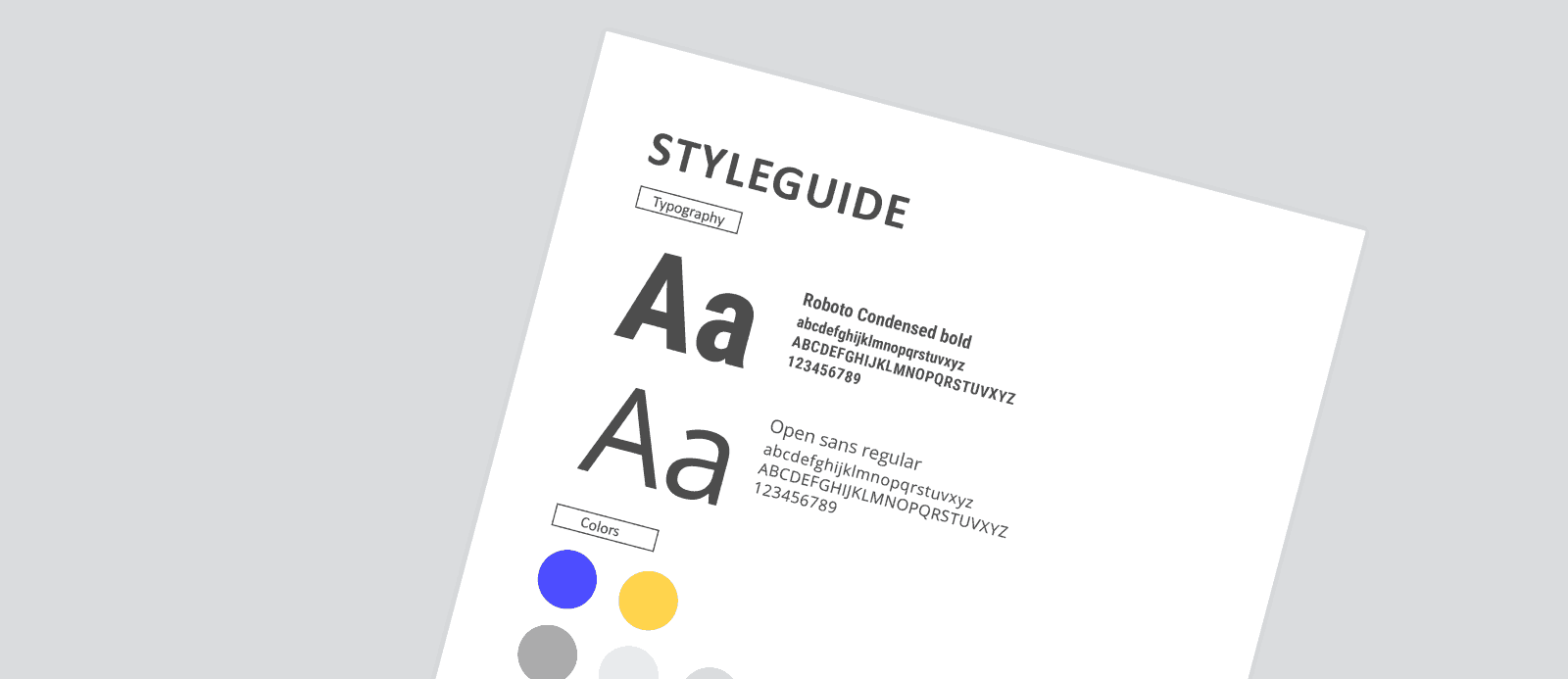
A multilingual style guide gives direction on how to write with translation in mind. It helps language partners adapt your brand voice across cultures. It supports global consistency.
In this article, we explore what a multilingual style guide really is, how it differs from other types of guides, what it should include, how to create one that sets your brand up for clarity in every market, and why it matters for global growth.
What a multilingual style guide really is
Let’s start by clearing up a common misconception. A multilingual style guide is not a bundle of individual language guides grouped together. It does not replace language-specific style guides.
Instead, it’s a strategic foundation for global content. A multilingual style guide helps your teams write source content that is easy to translate. It also gives translators the context they need to adapt your messaging without drifting away from your brand identity.
This type of guide acts as a bridge between brand content and localisation. It outlines what should stay consistent across languages. It outlines what can be adapted. And it shows how to write in ways that minimise confusion during translation.
When used properly, it improves quality. It reduces time spent on clarification. It reduces rework. And it makes it easier for global teams to speak with one voice. If your organisation is scaling content across languages, a multilingual style guide helps you do it without losing your voice.
(P.S.: For a broader look at how brands succeed at scale, read what the world’s language records teach us about localisation.)
How a multilingual style guide differs from other guides
To understand where a multilingual style guide fits, it helps to see how it relates to other content standards.
guide type | purpose | used by |
English style guide | Defines tone, grammar, spelling, and formatting in the source language | Content creators |
Language-specific style guide | Covers rules for a particular language or market, such as punctuation, formality, or regional variants | Translators and in-market writers |
Multilingual style guide | Offers cross-language guidance, writing-for-translation best practices, and global brand consistency rules | Marketing, localisation, and translation teams |
While the English guide and local guides handle language-level detail, the multilingual style guide ties everything together. It provides direction on how to prepare content for localisation. It sets formatting standards that apply globally. It clarifies which parts of your messaging should remain consistent across all markets. And it helps teams understand when adaptation is appropriate.
What to include in a multilingual style guide
A multilingual style guide should cover the global content elements that affect every language team. Here are the essentials.
How to write for translation
Writing with translation in mind helps reduce ambiguity. It speeds up localisation. This includes techniques that also improve machine translation output, such as keeping sentence structure clean, using consistent terminology.
Your guide should explain several things. Why plain language helps. Why short sentences are easier to work with. How to avoid idioms, slang, culture-specific references. When to use active voice. Why embedded formatting (such as bold or italics mid-sentence) creates problems. How to structure content for clarity (such as avoiding multiple ideas in a single sentence).
Writing clearly benefits all readers. It improves translation quality. The European Commission’s clear writing guidelines are a useful reference.
For further guidance on writing in a way that supports international audiences, the W3C provides internationalisation best practices that are widely used across global content teams.
Tone and adaptability
Explain how your brand voice should come through in different markets. Provide examples of core messages that must stay consistent, as well as areas where tone or content can be adapted. Make it clear where local flexibility is encouraged. Make it clear where it is not. A consistent brand voice builds trust with local audiences, especially when messaging aligns with cultural expectations. This is especially true in consumer-facing sectors like e-commerce.
Global formatting rules
These are the rules that affect layout, readability, clarity across languages. Include date formats. Time formats. Number formats. Capitalisation. Punctuation. Currency symbols. Units of measurement. Rules for trademarks. Product names. Slogans.
Handling non-translatable content
Your guide should explain how to treat brand names, legal disclaimers, system strings, UI elements, other elements that should not be translated. This helps prevent errors. It ensures consistent handling of sensitive or brand-critical language.
Content scope and localisation depth
Set expectations for what gets translated, what gets lightly adapted, what remains in the original language. For example, marketing campaigns may need full localisation, while internal dashboards or product specs may follow a lighter process.
How a multilingual style guide connects with language-specific guides
A multilingual style guide does not replace language-specific style guides. It complements them.
Think of it as the top layer in a system of guidance. It provides the global principles that should inform all localisation work, while local guides take those principles and tailor them to fit the linguistic norms of each market. The cultural norms too.
For example, your multilingual guide might define your tone as “approachable but authoritative.” It might recommend using inclusive language. The Spanish style guide then expands on what this means in practice. Whether to use gender-neutral terms. Which verb forms to prefer. How to address different audiences depending on region.
The multilingual guide sets the stage. It gives translators a consistent starting point. It gives local writers a consistent starting point. It ensures they understand the brand’s intent. From there, language-specific guides handle the details.
This layered approach prevents contradiction. It saves time. It reduces errors. And it helps your brand maintain a consistent voice in every market. It allows your content to reflect local nuance without losing its connection to the brand as a whole.
How to build a multilingual style guide
Creating a multilingual style guide is about building a practical, flexible tool that supports both content creation and localisation. The goal is clarity. Here’s how to approach it.
Audit your current content and localisation workflows
Review your existing source content. Review translation output. Are the same types of errors or inconsistencies showing up across languages? Are translators requesting clarification on tone or terminology? These are signs that a guide is needed.
Gather the right people
Bring together input from content strategists, localisation managers, in-country reviewers, external translation partners, brand managers. You want both brand alignment and practical, market-level insight.
Define your global standards
Start with what should remain consistent across all languages. This might include tone of voice, preferred terms, formatting rules, capitalisation preferences, the treatment of non-translatable elements like product names, legal language.
Support content creators
Include guidance on how to write clearly. Include guidance on how to write with translation in mind. For example, encourage short sentences, plain language, a consistent structure, simple vocabulary. Recommend avoiding idioms, jargon, culture-specific references that may not translate well.
Embed the guide in your workflow
Make the guide easy to find. Make it easy to use. Store it somewhere accessible to both writers and translation teams. If you use a translation management system or brief translators regularly, link to the guide or incorporate it into your onboarding materials.
Keep it active
Once the guide is in place, introduce it to your teams. Encourage its use through training or onboarding. Revisit it at regular intervals to reflect new brand developments, tone shifts, changes in localisation needs, new market requirements. A good style guide should evolve with your business.
Pitfalls to avoid when crafting a multilingual style guide
A multilingual style guide is only effective if it’s well designed. If it’s well used. Here are common mistakes to watch out for.
Assuming English rules apply everywhere. Tone varies widely across languages. Punctuation varies. Formatting conventions vary. Avoid copying your English style guide into other markets without adaptation.
Overloading the guide with language-specific rules. Leave those details for the individual language guides. The multilingual guide should stay focused on cross-language consistency.
Neglecting rollout. A guide no one reads is not a guide at all. Make sure your teams know it exists. Make sure they understand how to use it. Make sure they refer to it often.
Letting the guide go stale. Brand voice evolves. So does language. Review the guide regularly so it continues to serve its purpose. Update it to reflect your current standards.
Your voice, without borders
A multilingual style guide is the foundation that allows your content to scale globally without losing its voice. It gives your teams the tools to write with translation in mind. It sets clear expectations for localisation partners. It keeps your messaging aligned across every language. And it helps maintain brand consistency at scale.
Creating one doesn’t need to be complicated. Start small. Focus on your most critical markets. Build from there. The key is to treat it as a living tool. Involve your content teams early. Involve your localisation teams early. Make the guide easy to access. Commit to keeping it current.
Need help building your multilingual style guide?
At AdHoc Translations, we help global brands create style guides that actually work. Whether you’re starting from scratch or looking to improve what you already have, we can support you with content audits, writing-for-translation guidance, workflow integration, integration into your localisation workflows.
Get in touch to find out how we can help you build a style guide that supports consistent content, scalable content, high-quality content in every language you work in.