



Technical translation
Specialist translators for automotive, robotics, manufacturing, and more
Technical content leaves no room for approximation. Whether it’s a repair manual for a workshop floor or a software interface for a collaborative robot, the translation needs to be as precise as the original. We’ve been translating technical content across industries for over 30 years.
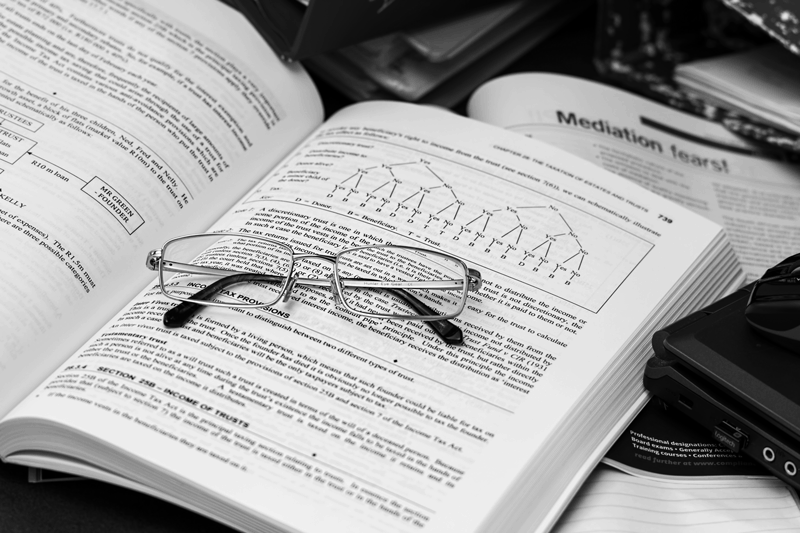
Technical translation requires sector expertise
The industries we work with produce content that ranges from dense engineering specifications to end-user documentation and commercial material. What connects all of it is that accuracy isn’t optional. A wrong term in a spare part catalogue or an ambiguous instruction in an equipment manual can cause real problems on the ground. We assign specialist translators to each project based on their experience in the relevant industry and document type.
Industries we work with for technical translation
Technical content varies significantly depending on the sector it comes from. A collaborative robot and a diesel engine share almost no terminology, and the regulatory context around their documentation is completely different. We organise our technical translation work into five industry areas.
Automotive
The automotive supply chain runs from component manufacturing through to dealership marketing, and the texts that come out of it reflect that range. Most of the volume is technical: workshop manuals, repair handbooks, spare part catalogues, training modules for garage staff, and owner’s manuals. On the commercial side, we translate brochures, sales material, website content, product descriptions, and dealer communications.
Robotics and automation
Robotics companies tend to operate globally from early on, which means multilingual content becomes a requirement quickly. The content is also unusually varied. In the same week, you might need someone to translate a software UI where every string has a character limit and a technical manual full of torque specifications. Much of the work is software-based, which means handling variables and placeholders correctly and understanding how translated strings behave inside an interface.
Manufacturing
Manufacturing documentation tends to be high-volume and repetitive: process instructions, standard operating procedures, quality control documents, equipment specifications, and health and safety material. Consistency across hundreds of similar documents is critical. We also translate training material for production staff, where clarity is a safety issue. The terminology is often highly specialised and varies between sub-sectors, so we assign translators with direct experience in the relevant manufacturing discipline.
Engineering and construction
Engineering and construction projects generate large volumes of documentation that often needs translating under tight deadlines tied to project milestones. That includes technical specifications, tender documents, structural calculations, environmental impact assessments, and health and safety plans. Many of these documents are subject to local regulatory requirements that vary by country, so the translation needs to reflect the applicable standards in the target market.
Industrial equipment
Industrial equipment manufacturers need translations that are precise enough to prevent misuse. That includes installation guides, maintenance manuals, operating instructions, safety data sheets, and spare part catalogues. The documents often need to comply with machinery directives and product safety regulations in each target market. We also translate materials and documentation for trade fairs and international sales channels.
What to expect
What the technical sector needs from a translation partner
Technical translation is about more than terminology. The translator needs to understand the subject matter well enough to recognise when something doesn’t read right, even if the source text itself is unclear. That kind of judgement only comes from years of working within a specific sector.
We work with companies across automotive, robotics and automation, manufacturing, engineering and construction, and industrial equipment. For each of these sectors, we’ve built up translator teams with hands-on experience in the relevant content types and the technical knowledge to back it up.
Contact us if you’d like to discuss how we handle technical translation for your industry.
Document types we translate
Technical texts need to be formulated in clear, unambiguous language so that everyone from a trained engineer to an end user gets the message without room for misinterpretation. We translate a wide range of technical documents across formats, including instruction books, repair manuals, datasheets, product pamphlets, software and IT manuals, patents, safety instructions, technical manuals, user guides, installation guides, and e-learning modules.
We translate to and from virtually all languages, which means you can use a single partner for all your technical translation needs regardless of how many markets you operate in.
Translators who know the industry
We guarantee that every translator working on your technical content meets a specific set of requirements. They hold a relevant linguistic qualification and have at least five years of translation experience. They specialise in technical texts and technical documentation and have direct experience translating for your specific industry. Every translator has signed a non-disclosure agreement and has passed our quality testing process, with regular evaluations to maintain standards.
We have both in-house translators and an extensive external network, many of whom have been working with us for over 25 years.
Your terminology, consistently applied
The last thing you need is to spend time correcting inconsistencies in a translation that should have been right from the start. We make sure your terminology is consistent and accurate across every document.
We build term lists and translation memories specific to your company. Translation memories guarantee recognition and reuse of previous translations, which is particularly valuable for technical content where the same phrases and terms recur across documents. Term bases contain your company’s approved terminology, are constantly expanded, and can also be deployed internally within your organisation.
We also run automated quality checks on every translation to ensure that all values are identical with the source text and that specific terms are translated consistently throughout. Your team can access term lists and translation memories directly through our cloud-based tools.
Technology, files, and layout
We work with whatever file format you send us: Excel, HTML, InDesign, XML, JSON, software resource files, or anything else. Our tools handle the conversion so you get translated files back in the original format and layout.
If you need DTP work to make sure everything looks right across all language versions, we handle that too. Read more about DTP and layout.
For multimedia content like e-learning modules or product demos, we offer voice-over and subtitling.
If your website needs translating, we can integrate directly with your CMS. Read more about the solution here.
A project manager who actually knows your business
You’ll always work with the same project manager at AdHoc Translations. They manage your projects end to end through our Translation Management System, where you can track status and pull reports at any point.
Over time, your project manager builds up a detailed understanding of your company: your preferred terminology and how your internal review process works. That accumulated knowledge means faster turnaround and fewer correction rounds on each project.
How we’ve helped our clients: read the case studies
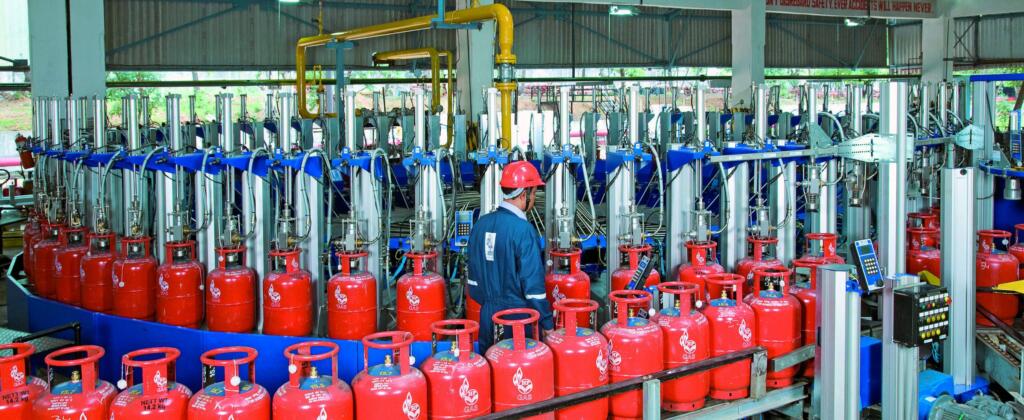
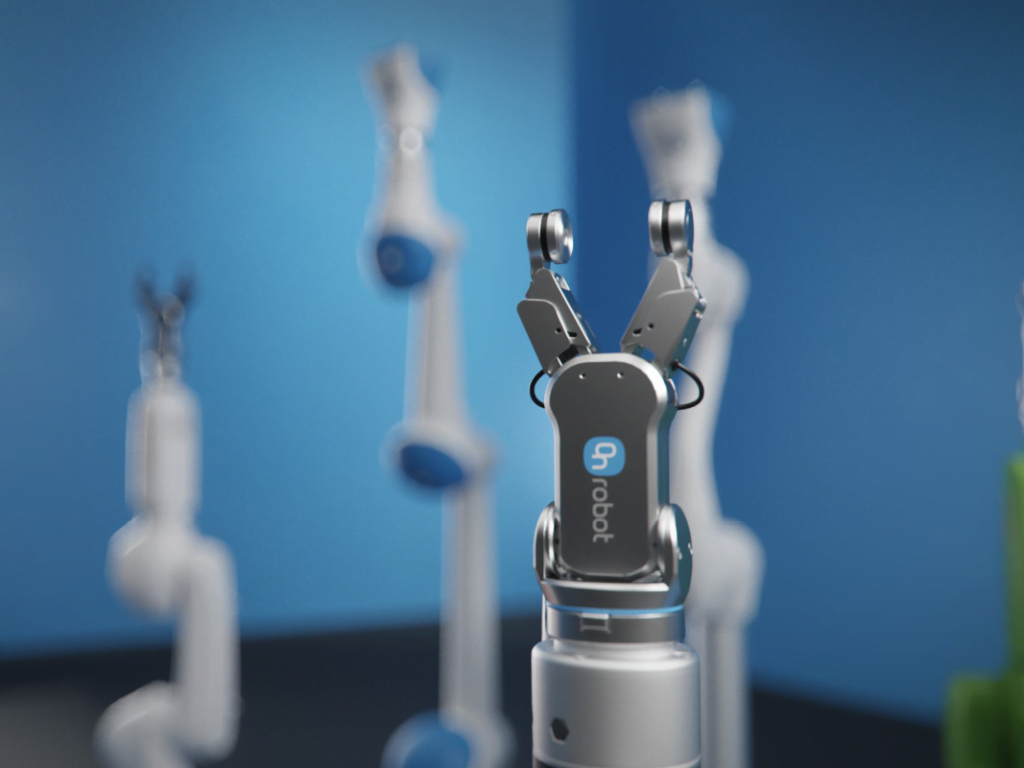
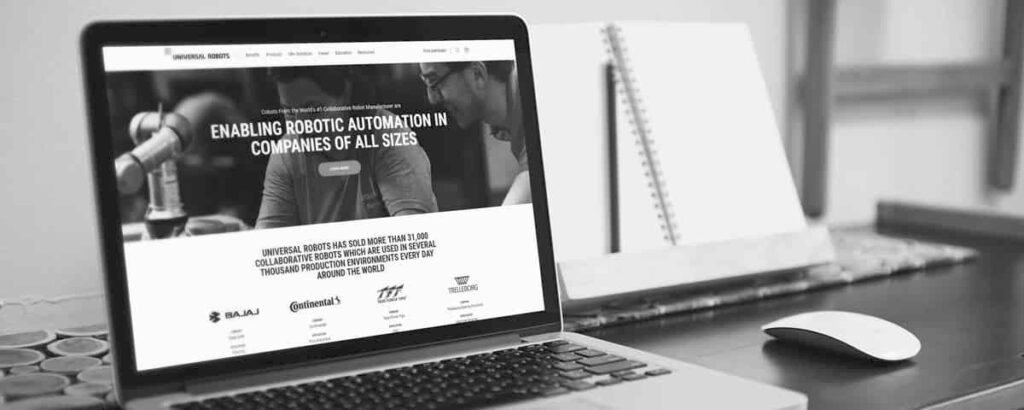
Some of our clients in the Automotive and Robotics sectors


Industry knowledge
Correct terminology
Latest technologies
Efficient handling
Integrated solutions
Fast delivery
Focus on your target audience
Respect for tone of voice
Specialist translators
Why choose AdHoc Translations?
We’ve been translating technical content for over 30 years, working with companies across automotive, robotics, manufacturing, engineering, and industrial equipment.
Your projects are handled by a dedicated project manager who knows your industry and your terminology.
The same specialist translators work on your documents each time, building up familiarity with your company’s technical language rather than starting from scratch on every project.