



Translation of Slogans: How to Make Slogans Work in New Markets
We have all encountered wrong translations that have made us smile or shake our head. Social media brim with hilarious examples of translations gone wrong.
While many of these wrong translations are completely harmless, others carry severe consequences when they appear in company communication. They affect company image. They damage bottom lines. They undermine years of brand-building work.
The cost of getting translation wrong can be staggering. HSBC Bank spent an estimated £6.8 million (approximately $10 million) rebranding after their slogan “Assume Nothing” was mistranslated as “Do Nothing” across multiple markets. Parker Pen promised Spanish customers their pen “won’t leak in your pocket and make you pregnant” instead of “won’t embarrass you.” Pepsi told Chinese consumers they would “bring your ancestors back from the grave” with the Pepsi Generation.
These aren’t isolated incidents. According to a 2024 global marketing survey, 70% of international businesses have faced communication failures due to translation errors. The financial impact extends beyond immediate correction costs to include delayed product launches, lost market opportunities, and damaged brand reputation.
A rebranding campaign with a new slogan can cost millions. Lost consumer trust? Even harder to quantify.
The stakes are higher than you think
Translation failures don’t just create embarrassing social media moments. They create real business consequences.
The KFC disaster in China
When KFC opened its first restaurant in Beijing in 1987, their famous slogan “Finger lickin’ good” appeared on billboards as “Eat your fingers off” (吃手指). The literal Chinese translation wasn’t just unappetising. It was disturbing. KFC had to quickly hire local marketing teams to refine their messaging and rebuild trust with Chinese consumers before they could establish their market presence.
High-profile translation failures
Mercedes-Benz entered China as “Bensi” (奔死), which translates to “rush to die.” Not exactly the message you want associated with your luxury vehicles. They promptly rebranded to “Ben Chi” (奔驰), meaning “dashing speed.” The second attempt succeeded where the first failed catastrophically.
Other notable failures include:
- Coors Beer in Spain: “Turn it loose” became “suffer from diarrhoea”
- American Airlines in Mexico: “Fly in Leather” translated as “Fly Naked”
- Schweppes in Italy: “Tonic Water” became “Toilet Water”
- Ford in Belgium: “Every car has a high-quality body” became “Every car has a high-quality corpse”
These examples share a common thread: they relied on direct translation rather than cultural adaptation. They treated slogans as simple text requiring conversion. They ignored the emotional resonance that makes slogans effective.
Understanding the real challenge: translation vs transcreation
The problem isn’t that companies hire bad translators. The problem is that they hire translators for work that requires transcreation.
What translation does well
Translation focuses on linguistic accuracy. It converts text from one language to another whilst preserving meaning. It aims for comprehension and faithfulness to the original message. Translation works brilliantly for:
- Technical documentation
- Legal contracts
- User manuals
- Medical documents
- Academic papers
- Financial reports
What transcreation delivers
Transcreation is different. The word combines “translation” and “creation.” It’s a creative adaptation process that maintains the original’s intent whilst completely reimagining the execution. Transcreation focuses on emotional impact, on cultural resonance, on the feeling the message creates.
Think of it this way: translation asks “what does this say?” Transcreation asks “how does this make people feel?”
The McDonald’s masterclass
McDonald’s “I’m lovin’ it” demonstrates transcreation brilliantly. The English slogan is colloquial and casual. It uses non-standard grammar deliberately (“lovin'” instead of “loving”). That informality resonates with American consumers who value approachability over formality.
In France, McDonald’s uses “C’est tout ce que j’aime” (“It’s everything that I love”). This is longer and more expressive. It captures the enthusiasm of the original whilst matching French advertising conventions. In Quebec, it becomes “C’est ça que j’m” (“It’s that that I luv'”). The casual contraction mirrors the English informality.
In Spanish-speaking countries, it’s “Me encanta” (“I really like it”). Why not “Te amo” or “Lo amo” (I love it)? Because in Spanish culture, “love” is a strong word reserved for deep emotional connections. Using it for fast food would feel excessive, even ridiculous. “Me encanta” conveys strong enthusiasm without cultural overreach.
Each version adapts to local language patterns, local emotional expressions, and local cultural norms. Each maintains the brand’s core message: McDonald’s food creates positive feelings.
The essential elements of slogan transcreation
Professional transcreators consider multiple layers that literal translators often miss.
Cultural context matters
What works in one culture may fall flat in another or offend in a third. Cultural values shape how people respond to marketing messages.
According to research from Hofstede Insights, cultural dimensions vary significantly across markets:
- German audiences often prefer factual information, specific benefits, and concrete data
- British audiences respond well to storytelling, humour, and understatement
- Spanish audiences prefer less pushy sales approaches and value familiarity
- Chinese audiences prioritise collective benefit over individual achievement
- American audiences respond to direct calls to action and personal empowerment
American Airlines’ leather seats disaster happened because the translator missed a critical cultural nuance. In Spain, “cuero” (leather) also means “naked” in colloquial usage. A native speaker providing transcreation would have caught this immediately.
Emotional resonance drives effectiveness
Slogans work by creating feelings: desire, confidence, joy, belonging, security. The specific emotion varies by brand positioning.
Nike’s “Just Do It” works in English because it taps into American cultural values around individual determination. It’s commanding, motivational, and personal. In China, Nike transcreated this to “想做就做” (xiǎng zuò jiù zuò), roughly “If you want to do it, just do it.” The additional “if you want” softens the command and respects Chinese communication styles which tend to be less direct and less individually focused. The emotional impact remains – personal empowerment – but the cultural execution differs.
Linguistic mechanics that don’t translate
Some slogans rely on elements that don’t transfer between languages:
- Wordplay and puns
- Rhyme and rhythm
- Alliteration
- Double meanings
- Cultural idioms
Haribo’s German slogan rhymes: “Haribo macht Kinder froh, und Erwachsene ebenso” (“Haribo makes children happy, and adults as well”). The English transcreation maintains rhyme whilst completely changing structure: “Kids and grown-ups love it so, the happy world of Haribo.”
The Spanish version diverges further: “Vive un sabor mágico, ven al mundo Haribo” (“Experience a magical flavour, come to Haribo world”). It introduces new concepts (magical flavour), drops the kids/adults distinction, maintains partial rhyme, and creates similar emotional appeal. Each version works in its language. None are direct translations.
Phonetic considerations
How words sound matters as much as what they mean. Harmless sounds in one language may carry unintended meanings in another.
Swedish vacuum maker Electrolux marketed their vacuums in the UK with “Nothing sucks like Electrolux.” In British English (1970s context), “sucks” primarily meant “creates suction.” The slogan succeeded. When this crossed to American markets, “sucks” had evolved to mean “is terrible.” The slogan became unintentionally self-deprecating. What worked in one English-speaking market failed in another.

When machine translation fails marketing
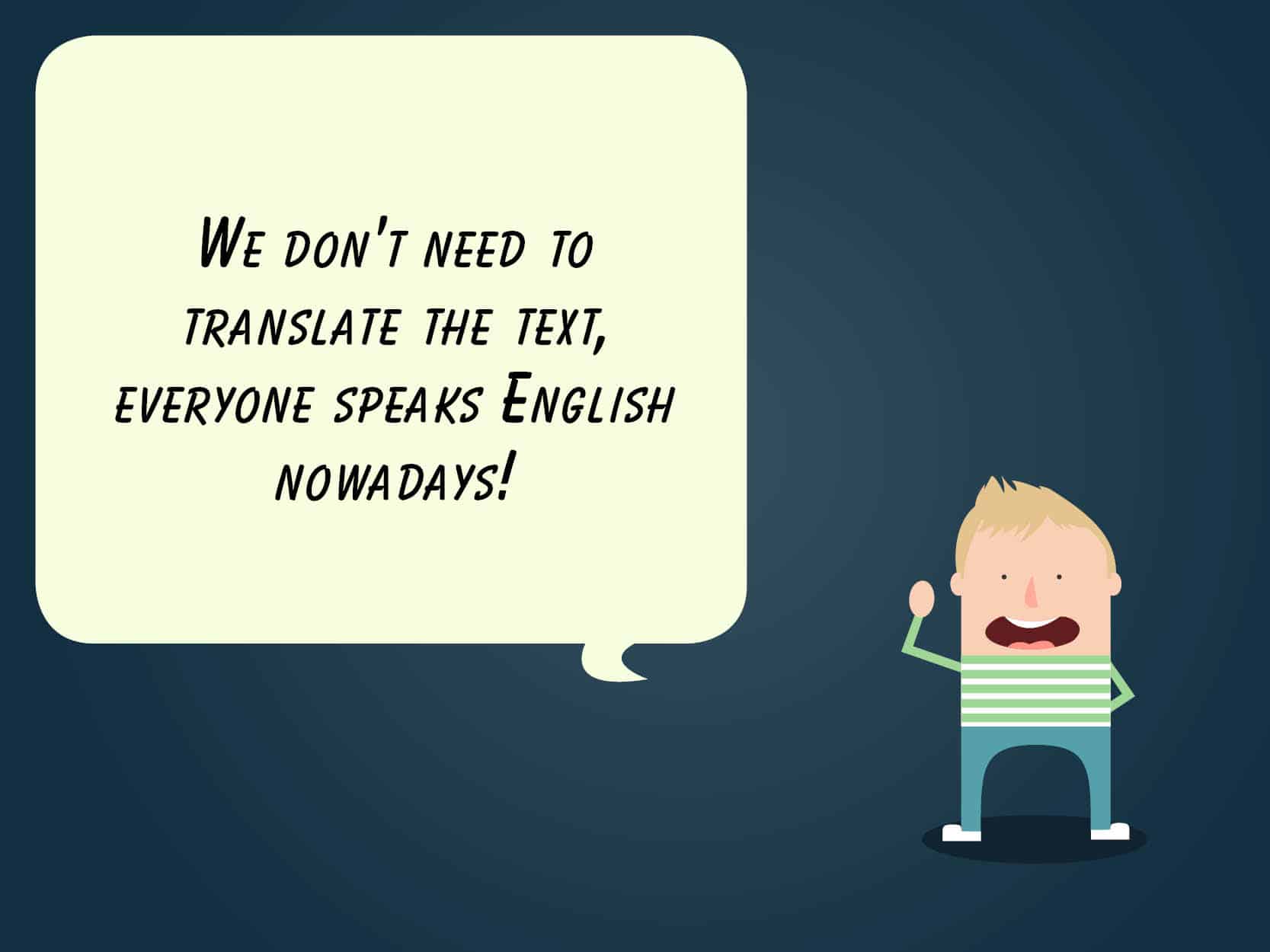
Machine translation has improved dramatically. Neural MT handles straightforward content remarkably well. But slogans represent exactly the type of content where MT falls short.
The algorithmic blind spots
Machine translation operates on pattern recognition. It learns from massive datasets and identifies statistical correlations between phrases. But it has critical limitations:
Cultural subtext blindness: An algorithm doesn’t know that “love” works differently in Spanish food marketing than in English food marketing. It sees linguistic equivalence but misses cultural appropriateness.
No emotional intelligence: MT can identify sentiment as positive or negative but cannot craft messages that evoke specific emotional responses in specific cultural contexts.
Wordplay incompetence: Puns, alliteration, rhyme schemes – these require creative thinking MT cannot perform. Google Translate can convert “Finger lickin’ good” into Chinese characters but cannot create a Chinese phrase that conveys deliciousness through culturally appropriate wordplay.
Translation tunnel vision: For any given word, multiple translations may be technically correct. MT selects based on statistical frequency. Human transcreators select based on emotional impact within the specific marketing context.
Regional variation failures: Spanish differs significantly between Spain, Mexico, and Argentina. Chinese varies between mainland China, Hong Kong, Taiwan, and Singapore. MT often defaults to one variant. Professional transcreators adapt to specific market contexts.
When MT works (and when it doesn’t)
Machine translation excels at high-volume, low-sensitivity content: internal communications, product specifications, support documentation, customer service responses. Any content where comprehension matters more than emotional connection.
For slogans, for marketing materials, for brand messaging? MT provides a starting point at best, a disaster at worst.
The business case for professional transcreation
Transcreation costs more than translation upfront. It requires more time, more expertise, and more creative iteration. Companies often question whether the investment justifies the cost. The data suggests it absolutely does.
Consumer language preferences
CSA Research found that 76% of consumers prefer buying products with information in their native language. 40% will never buy from websites in other languages. If your slogan doesn’t resonate in the local language, you’ve lost nearly half your potential market before you start.
The true cost of failure
HSBC’s $10 million rebrand shows the direct cost of slogan failure. But indirect costs often exceed direct costs:
Delayed market entry means every week spent correcting translation errors is a week competitors gain market share.
Lost consumer trust is difficult to recover. First impressions matter. Botched slogans create lasting negative associations.
Opportunity costs accumulate because resources spent on damage control can’t be used for growth initiatives. Marketing budgets get redirected from expansion to crisis management.
Competitive disadvantages multiply whilst you’re fixing mistakes. Competitors with better localisation are building brand loyalty.
The return on transcreation investment
When done well, transcreation delivers substantial returns:
- Faster market penetration through culturally resonant messaging
- Stronger brand associations that create deeper emotional connections
- Higher conversion rates from culturally appropriate calls to action
- Reduced correction costs by getting it right the first time
- Sustainable competitive advantages through strong local brand identity
Who actually does transcreation work
Transcreation requires a rare combination of skills. The person doing this work needs to possess expertise that goes far beyond language fluency.
The essential skill set
A qualified transcreator must be:
A native speaker of the target language – not just fluent, but native. Someone who understands cultural nuances instinctively.
A skilled copywriter because creating compelling marketing copy requires different skills than translation. Transcreators must write persuasively, creatively, and strategically.
Bicultural with deep knowledge about both source and target cultures. Understanding the source culture ensures they grasp the original intent. Understanding the target culture ensures appropriate adaptation.
Marketing-savvy to understand brand positioning, target audiences, competitive landscapes, and campaign objectives.
Collaborative with experience managing ongoing dialogue with marketing teams, multiple iterations, and testing different approaches.
Why internal resources fall short
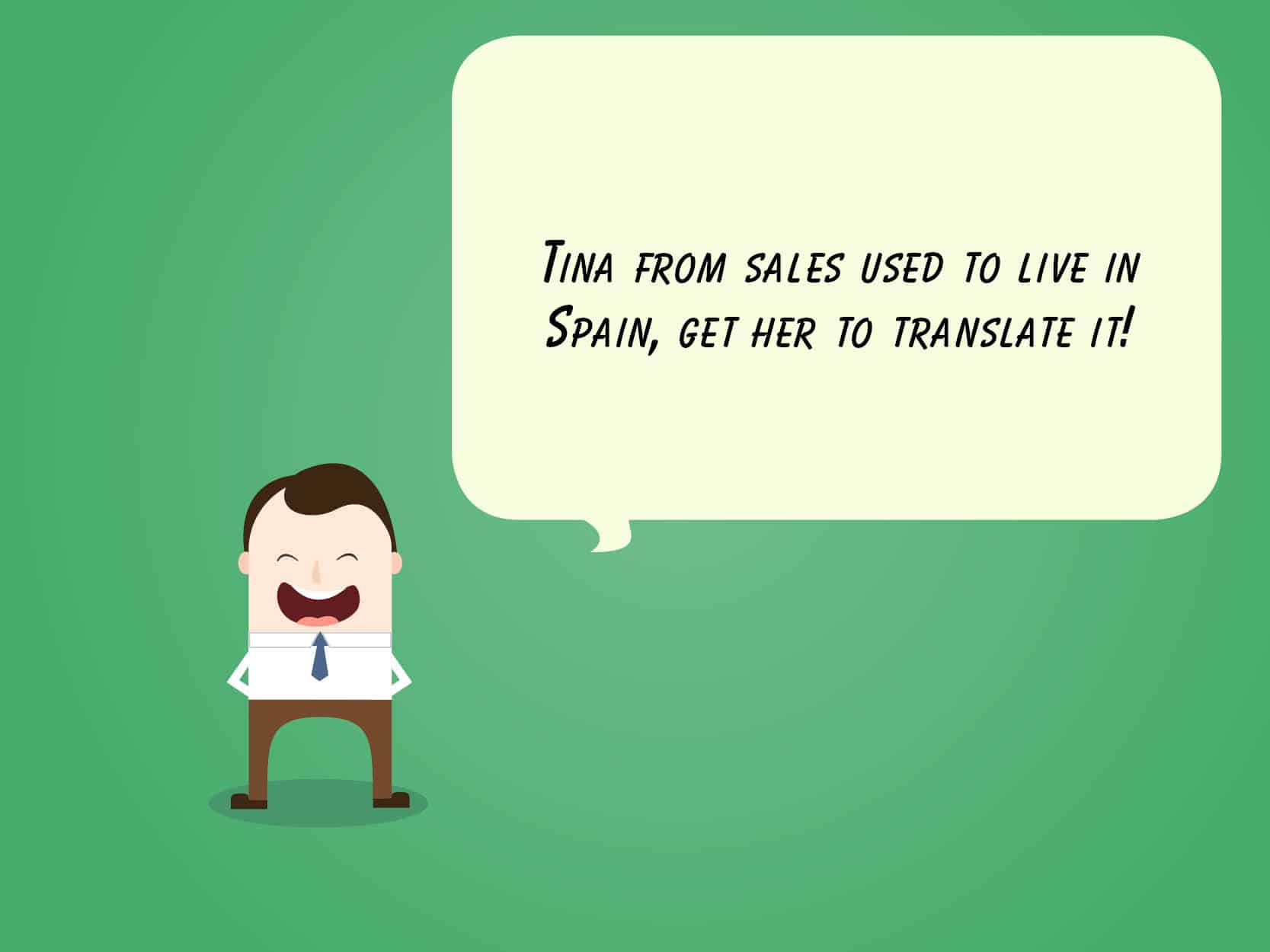
This isn’t work you assign to “Tina from sales who lived in Spain.” It isn’t work you feed to Google Translate. It isn’t even work for excellent translators who lack marketing copywriting experience.
Professional translation agencies maintain networks of transcreation specialists. These are people who have spent years developing these specific skills, who understand how to maintain brand voice across cultural boundaries, and who know how to test adapted content with target audiences before launch.
The transcreation process: what to expect
Understanding what transcreation involves helps explain why it costs more than simple translation.
1. Comprehensive briefing
Transcreators need extensive context:
- The original slogan and its development history
- Target audience demographics and psychographics
- Brand guidelines and voice parameters
- Campaign objectives and success metrics
- Cultural sensitivities and taboos
- Competitive positioning
- Visual elements that will accompany the text
The brief should include information typically given to copywriters, not translators. What feeling should this evoke? What action should it inspire? What brand attributes should it convey? What are we trying to avoid?
2. Cultural research
Before proposing any adapted text, professional transcreators research the target market:
- Current marketing trends
- Competitor messaging strategies
- Cultural values and preferences
- Language patterns and colloquialisms
- Emotional triggers and motivators
They might conduct focus groups, interview native speakers, study successful campaigns in the target market, and analyse what resonates and why.
3. Creative development
Transcreators develop multiple options. Each maintains the core message whilst adapting the execution. They might propose variations that:
- Match the original structure closely but adapt specific words
- Completely restructure whilst maintaining emotional impact
- Introduce new concepts that resonate locally whilst conveying the brand message
- Use different creative approaches (humour versus inspiration, for example)
This is copywriting work, not translation work. It requires creative thinking, multiple drafts, and testing different approaches.
4. Back translation and rationale
Each proposed slogan comes with:
A back translation: A literal English rendering of what the adapted slogan says, helping source language speakers understand what the transcreated version communicates.
A detailed rationale: Explaining why they chose this approach, what cultural factors influenced the adaptation, and how it maintains brand identity whilst resonating locally.
5. Testing and refinement
Before finalising, transcreated slogans undergo rigorous testing:
- Focus groups with target market members
- Reviews by additional native speakers
- Assessment against brand guidelines
- Cultural sensitivity checks
Based on feedback, transcreators refine, adjust, or sometimes start over if initial approaches don’t land correctly.
6. Implementation support
Transcreators often provide guidance for using the adapted slogan:
- Pronunciation guides
- Usage notes for different contexts
- Variations for different media
- Integration recommendations with visual elements
This entire process takes substantially more time than translation. It involves more people, more expertise, and more iteration. Hence the higher cost and the dramatically better results.
Red flags that signal you need transcreation
Several indicators suggest your content needs transcreation rather than translation:
Your content relies on wordplay – puns, rhymes, alliteration, or double meanings almost never translate directly.
Emotional impact is critical – when the goal is to make people feel something specific, transcreation ensures the feeling translates even if the words don’t.
Cultural references appear – anything tied to local customs, historical events, popular culture, or idioms needs cultural adaptation.
It’s a tagline or slogan – these are inherently creative, concise, and designed for impact. Direct translation rarely preserves what makes them effective.
You’re entering a significantly different cultural market – the more cultural distance between markets, the more adaptation required.
The stakes are high – product launches, rebranding campaigns, major marketing investments all demand transcreation.
Your brand has a strong personality – maintaining consistent brand voice (casual, serious, playful, authoritative) across cultures requires transcreation.
Common transcreation mistakes to avoid
Even companies that recognise they need transcreation sometimes mishandle the process.
Insufficient briefing
Transcreators need context, lots of context. Sparse briefs produce weak results. Invest time upfront in creating comprehensive creative briefs that cover brand voice, target audience, campaign objectives, and cultural considerations.
Source language bias
What works in English isn’t necessarily the right starting point for Spanish. Sometimes the best approach is creating something new for each market rather than forcing adaptations of the English original.
Rushing the timeline
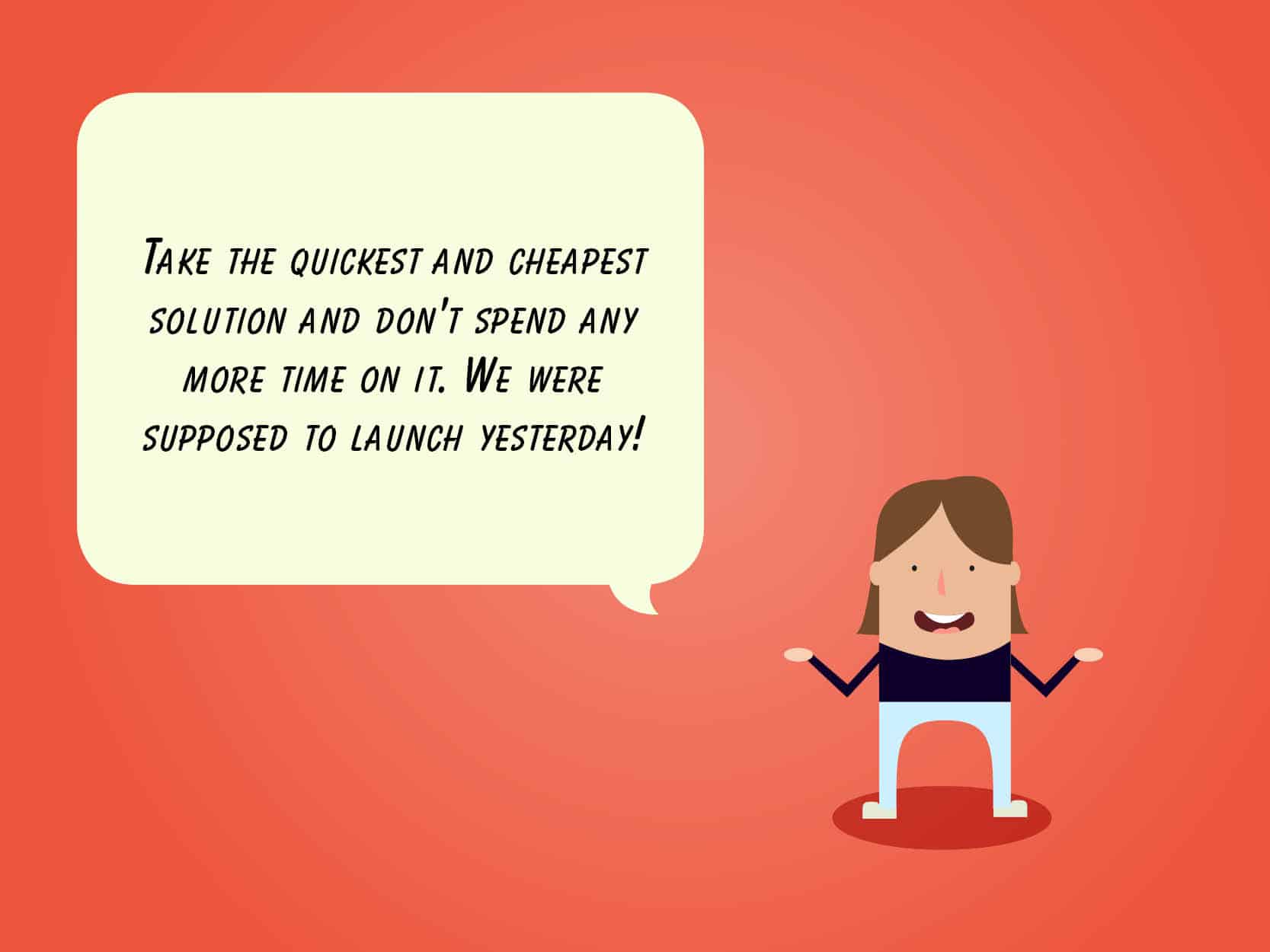
Good transcreation takes time: multiple iterations, cultural research, and testing. Rushing leads to mediocre results. Build adequate time into your project schedule.
Excluding local stakeholders
Transcreation should include input from marketing teams in the target region who understand local market dynamics, competitive landscapes, and consumer preferences.
Treating it like fancy translation
Transcreation is fundamentally different work. It requires different skills, different processes, different timelines, and different budgets. Don’t expect translation pricing for transcreation deliverables.
Skipping testing
What seems brilliant in the conference room might fall flat with actual consumers. Testing catches problems whilst they’re still fixable. Always validate transcreated content with native speakers from the target market.
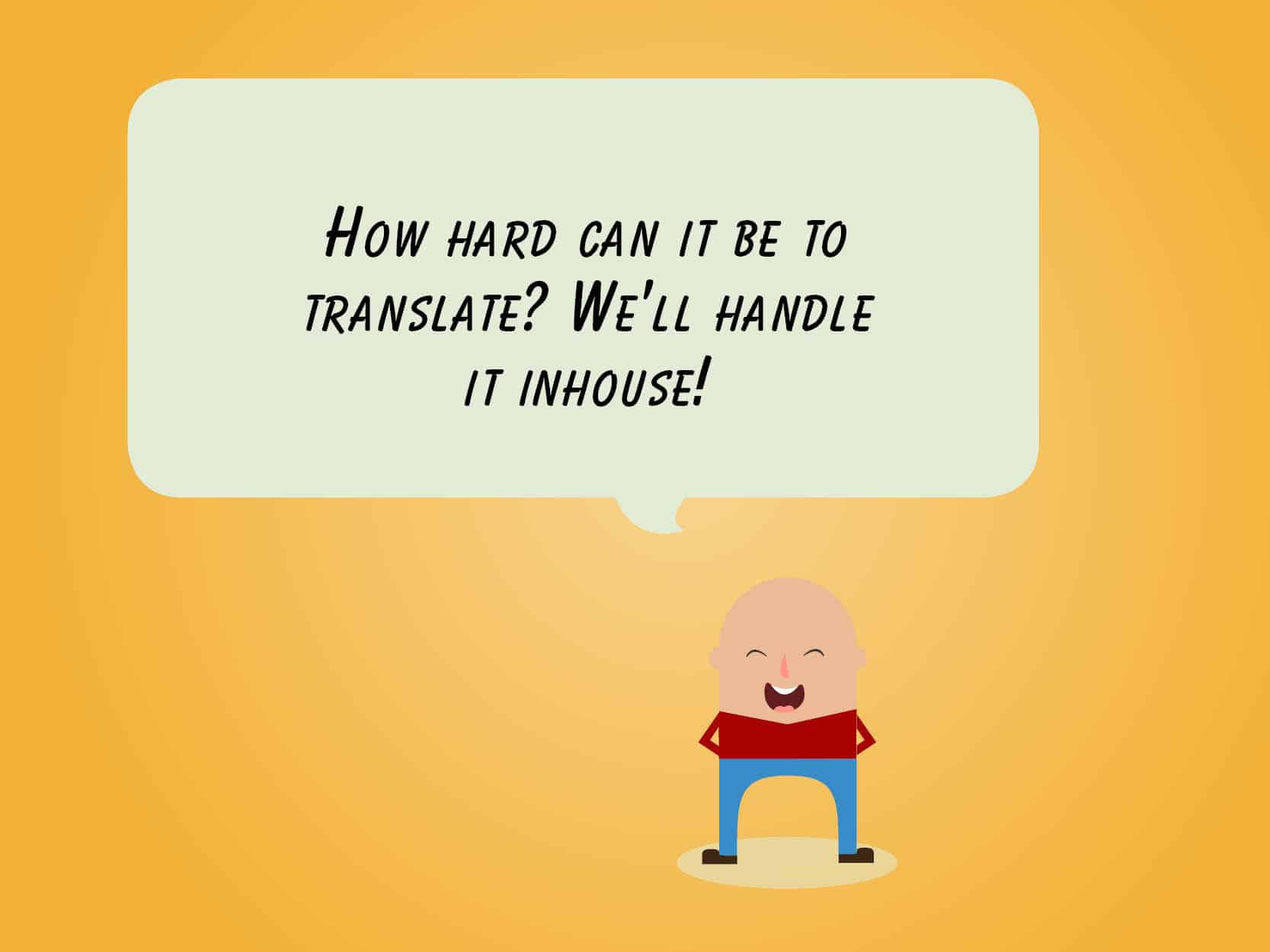
Choosing based on price alone
Transcreation quality varies enormously. The cheapest option rarely delivers results worth the savings. Invest in experienced professionals with proven track records.
Building a successful global brand
The companies that succeed internationally understand that effective communication requires more than language conversion. It requires cultural intelligence, creative adaptation, and strategic thinking.
Learn from the success stories
McDonald’s succeeds globally not by imposing American marketing everywhere, but by adapting thoughtfully to each market. Their slogans change, their menu items change, yet their brand personality remains consistent whilst the cultural expression varies.
Coca-Cola learned from their “Bite the Wax Tadpole” mistake. They now invest heavily in market-specific research, in transcreation, and in testing. They’ve become a leading brand in China precisely because they adapted intelligently. Their “Open Happiness” campaign became “开心就好” (Kāixīn Jiù Hǎo) – “Happiness is all that matters” – in China, capturing the essence whilst using a phrase that resonates deeply in Chinese culture.
Nike maintains brand consistency across markets whilst allowing local teams to craft culturally appropriate messages. “Just Do It” transcreates differently for each culture, but the underlying message of personal empowerment remains constant.
These companies treat localisation as a strategic function, not a final translation step. They budget adequately for transcreation. They hire skilled specialists. They involve local teams. They test before launching. They iterate based on feedback. They understand that the cost of doing it right is far less than the cost of getting it wrong.
Taking action: your transcreation roadmap
If you’re planning to take your brand international, or if past translation efforts have underperformed, here’s your action plan.
Audit your content
Examine your marketing materials critically. Which pieces rely on cultural references, emotional appeals, or wordplay? These need transcreation. Standard product descriptions might work with quality translation, but your taglines, slogans, and brand messaging demand transcreation.
Find specialised partners
Work with agencies that specifically offer transcreation services. Look for:
- Native speakers with copywriting experience
- Proven track records in your industry
- Case studies demonstrating cultural adaptation
- References from companies with similar needs
Ask for examples of their work. Request references from similar industries. Evaluate their understanding of your brand and target markets.
Invest in comprehensive briefing
Spend time preparing detailed creative briefs. Include:
- Brand guidelines and voice parameters
- Target audience research and personas
- Campaign objectives and KPIs
- Cultural insights and sensitivities
- Competitive landscape analysis
- Visual and contextual elements
The better the brief, the better the results.
Build local relationships
Involve marketing professionals from target markets early in the process. Their insights prevent costly mistakes and ensure your transcreated content resonates authentically. Consider establishing advisory groups of local market experts.
Budget realistically
Transcreation costs more than translation. Budget accordingly. View it as a marketing investment generating long-term returns, not a translation expense to minimise. The ROI from effective transcreation far exceeds the cost differential.
Test rigorously
Run adapted slogans past focus groups. Get feedback from native speakers in the target market. Conduct A/B testing where possible. Adjust based on what you learn. Never launch transcreated content without validation from your target audience.
Plan for iteration
Rarely does the first attempt produce the perfect solution. Build time for multiple rounds of refinement. Allow transcreators to develop alternatives and test different approaches. The iterative process produces stronger results.
Measure and optimise
Track how transcreated content performs versus directly translated content. Measure:
- Market response and engagement rates
- Conversion rates and sales impact
- Brand perception and recall
- Cultural appropriateness scores
- Competitive positioning
Use data to refine your approach and demonstrate ROI to stakeholders.
The bottom line
International success requires more than translating words. It requires cultural understanding, creative adaptation, strategic thinking, and professional expertise.
Don’t let your slogans get lost in translation. Invest in transcreation. Your brand deserves it. Your customers expect it. Your bottom line depends on it.
Ready to take your brand global the right way? Get in touch with us to discuss how professional transcreation can help your business succeed in new markets. Our team of marketing translation specialists understands how to maintain your brand voice whilst creating culturally resonant messaging that drives results.